

Throughout history, access to reliable water resources has shaped the success of agricultural regions, influenced settlement patterns, and supported the growth of communities and industries.
Today, water remains one of the most critical factors influencing agricultural productivity, regional development, and long-term economic resilience. As agricultural systems face increasing demands and evolving environmental conditions, water security continues to play a central role in supporting sustainable growth and future prosperity.
For landowners, agricultural enterprises, and project stakeholders, understanding the strategic importance of water is essential when evaluating opportunities and planning for the future.
More Than a Natural Resource
Water is often viewed as a basic requirement for agricultural production. In reality, it is one of the most important strategic assets underpinning the productivity and value of agricultural land.
Reliable water access supports crop production, livestock operations, irrigation systems, processing activities, and broader regional economic development.
The availability, management, and distribution of water can significantly influence both operational outcomes and long-term investment decisions across agricultural sectors.
Building Resilience Through Water Infrastructure
Water security is rarely achieved through natural rainfall alone.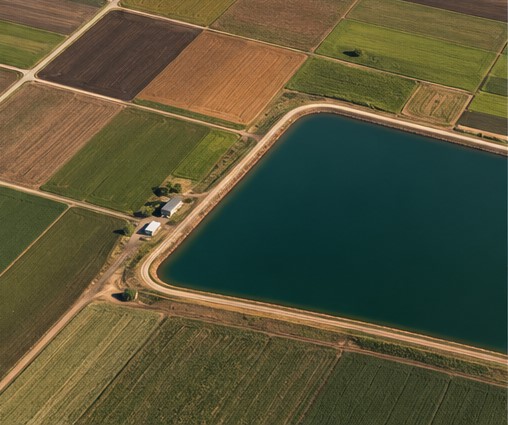 Reservoirs, irrigation networks, water storage facilities, distribution systems, and supporting infrastructure all contribute to improving agricultural resilience and reducing exposure to seasonal variability.
Regions that invest in water infrastructure are often better positioned to support productivity, attract development opportunities, and create long-term economic value.
Strategic water management allows agricultural enterprises to plan with greater confidence while supporting more efficient use of available resources.
Supporting Productivity and Growth
Access to secure water resources enables agricultural businesses to maximise land productivity and explore a broader range of operational opportunities.
Reliable irrigation can improve yields, support crop diversification, reduce production risk, and create greater flexibility in responding to changing market conditions.
Water security not only benefits individual enterprises but also contributes to the broader competitiveness and sustainability of agricultural regions.
The Relationship Between Water and Land Value
 Water availability is often closely linked to the long-term value and development potential of agricultural land.
Properties supported by reliable water resources may offer greater operational flexibility and resilience, particularly in regions where rainfall patterns can vary significantly.
When assessing agricultural opportunities, water considerations frequently form a key component of strategic planning and long-term decision-making.
Looking Beyond Today
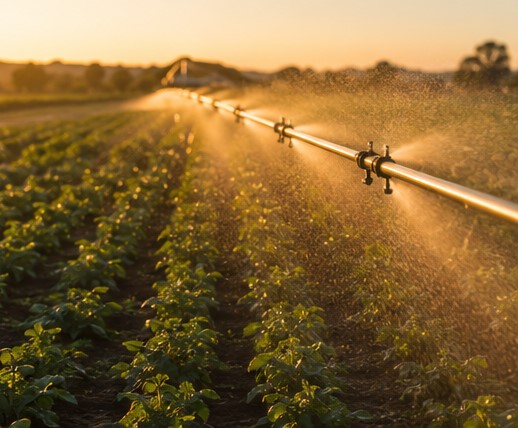 Water management is ultimately a long-term challenge that requires careful planning and responsible stewardship.
Population growth, changing climate conditions, evolving agricultural practices, and increasing demand for resources all highlight the importance of sustainable water strategies.
Successful agricultural regions are often those that recognise water not simply as a resource to be consumed, but as an asset to be managed thoughtfully for future generations.
Looking Forward
As agriculture continues to evolve, water security will remain one of the defining factors influencing productivity, sustainability, and regional development.
The ability to effectively manage water resources will increasingly shape the resilience and competitiveness of agricultural enterprises and the communities that depend upon them.
At Victoria Regent Capital, we recognise that successful agricultural development begins with strong foundations. Water security remains one of the most important of those foundations, supporting productive land, resilient communities, and long-term regional prosperity.