
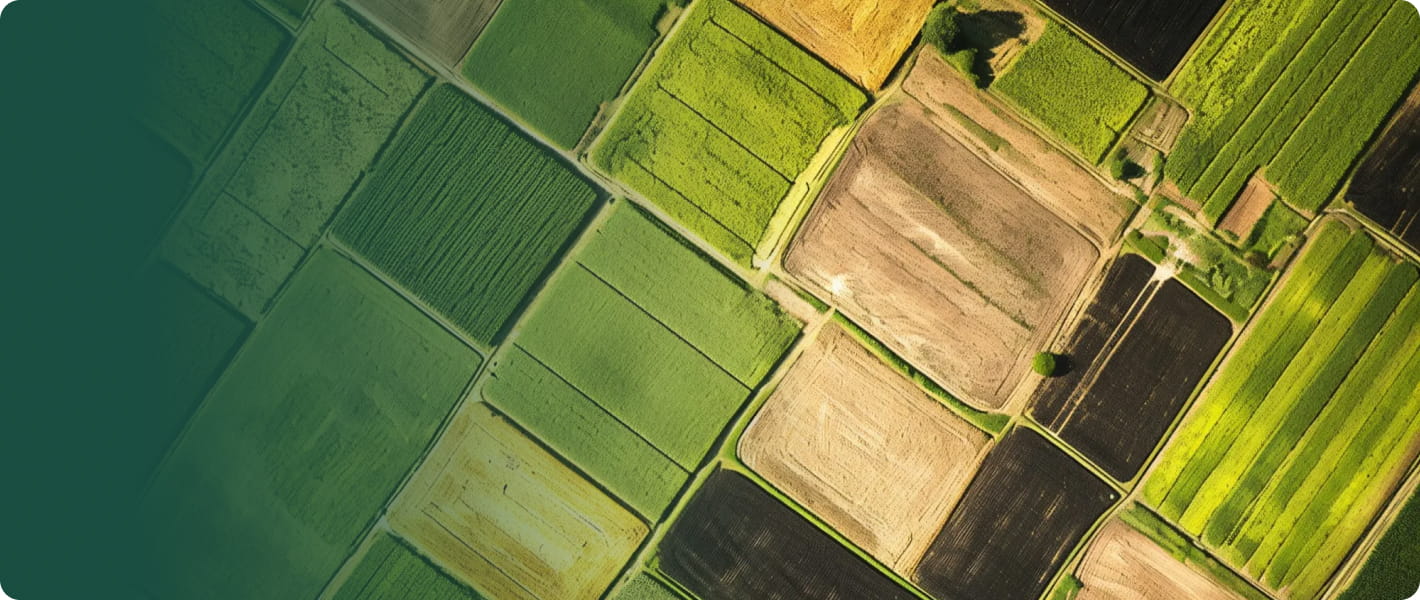
Land is more than a productive asset. It is the foundation upon which communities, industries, ecosystems, and future generations depend.
Throughout history, successful agricultural regions have been shaped not only by the quality of their land, but also by the way that land has been managed, protected, and developed over time. Today, as agricultural systems face evolving environmental, economic, and social challenges, the importance of responsible land stewardship has never been greater.
For landowners, agricultural enterprises, and regional stakeholders, sustainable land management is increasingly recognised as a critical component of long-term productivity, resilience, and value creation.
Thinking Beyond the Next Season
Agriculture has traditionally required a long-term perspective. Decisions made today can influence land productivity and environmental outcomes for decades to come.
Effective stewardship requires balancing immediate operational objectives with the long-term health and capability of the land itself. Soil quality, water resources, biodiversity, infrastructure, and landscape management all contribute to the enduring productivity of agricultural assets.
The most successful land management strategies often recognise that sustainable outcomes and commercial success are not competing objectives, but complementary goals.
The Value of Productive Land
Productive agricultural land remains one of the world’s most important resources. As populations grow and demand for food production continues to increase, the long-term value of well-managed agricultural land is becoming increasingly apparent. However, preserving that productivity requires ongoing investment in management practices that support both economic performance and environmental resilience.
Land stewardship is ultimately about maintaining and enhancing the productive capacity of agricultural assets while protecting the resources upon which future productivity depends.
Water and Landscape Management
Water remains one of the most significant factors influencing agricultural sustainability.
Effective water management strategies support productivity while helping agricultural enterprises adapt to changing environmental conditions. Irrigation systems, water storage infrastructure, drainage management, and responsible resource utilisation all play important roles in supporting long-term agricultural outcomes.
Stewardship extends beyond individual properties. Watersheds, catchments, and regional ecosystems are interconnected, making thoughtful resource management an important consideration for broader regional resilience.
Building Resilient Agricultural Systems
Agricultural enterprises operate within increasingly complex environments influenced by weather variability, market conditions, technological change, and evolving stakeholder expectations.
 Resilient agricultural systems are often characterised by adaptability, strong planning, efficient resource utilisation, and a commitment to continuous improvement.
Landowners and project stakeholders who adopt long-term stewardship principles are frequently better positioned to navigate change while preserving both productivity and asset value.
A Legacy Perspective
Perhaps the most enduring aspect of land stewardship is the recognition that land is often managed across generations.
 The decisions made today influence not only current outcomes but also the opportunities available to future owners, operators, communities, and stakeholders.
Responsible stewardship seeks to ensure that agricultural assets remain productive, resilient, and capable of supporting future growth and prosperity.
Looking Forward
As agriculture continues to evolve, sustainable land stewardship will remain an essential foundation for long-term success.
Balancing productivity, environmental responsibility, infrastructure planning, and regional development requires thoughtful decision-making and a clear understanding of both present challenges and future opportunities.
At Victoria Regent Capital, we believe that successful development begins with responsible stewardship. Long-term value is created not only through growth and development, but through the careful management of the land, resources, and opportunities entrusted to future generations.